Showing posts with label Mammals Reptiles. Show all posts

Sunday, 1 July 2012

1st July 2012 Kingfisher Park Birdwatchers Lodge


This is our 200th blog posting -  a big thank you to all our loyal followers for encouraging us to keep going with it and all the positive feed back..

The first week was dry and the second week was wet with annoying drizzle resulting in 9mm. The top temperature was 22.2ºC with the majority of days around the 21ºC mark and the minimum was 10.8ºC – brrr! The humidity was high up to 97% and down to 76%.

Bird sightings for the first week were a high 107 seen plus 2 heard only. The second week had slightly less sightings due mainly to the inclement weather, 96 seen plus 3 heard. Mammal and reptile species were slightly more than the last two weeks – 26 species were seen over the two weeks. The last two weeks bird lists are on the Eremaea Birds Website for Week1 and Week2 plus morning walk lists can also be found at this link on Eremaea Birds

Highlights:
A few this past two weeks. How could you beat the Noisy Pitta who turned up at the reception area feeder and promptly ate a piece of banana that the honeyeaters dropped! We gave him/her a bit more and later on it hopped up onto the feeder to help itself. The pitta then jumped up onto the water bowl for a drink. It became a regular visitor for over a week, but once the rain/drizzle set in this week it left and we have only heard it calling from the rainforest, so it must be finding enough food in the natural world. 


Noisy Pitta

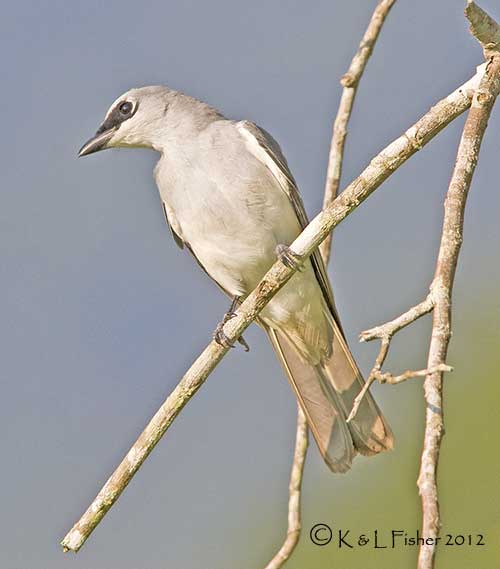
A rufous morph of the Tawny Frogmouth turned up for three days and was probably the same bird which has shown over the past two years for a short period. An adult Papuan Frogmouth was spotlighted in the orchard whilst on a night walk which was the first sighting for at least three months. A Red-necked Crake appeared at the crake pool late one evening, but was not seen again. This is the first sighting since mid-February. A male Yellow-throated Scrubwren was seen foraging in the rainforest on the edge of the orchard, this was the first for the year. We normally get one or two each year who migrate down from the mountains behind the Lodge. A Black-faced Cuckoo-shrike was along McDougall Road which is uncommon, they are more common back towards Mt. Molloy in the drier woodlands.

Other sightings:
A Wompoo Fruit-Dove appeared for a few days, decided there was not enough in fruit and disappeared, but the returning Brown Cuckoo-Dove found plenty to stay for over the two weeks. Australian Owlet-nightjar was seen on one day peering out of its daytime roost which was the first time for several months. The adult and juvenile Black-necked Stork are still around and have been seen flying over the Lodge on several occasions. Carol Iles, our next door neighbour and bird guide, reported that the two Black-shouldered Kite nesting along McDougalls Road now have two fledglings begging for food which is great news. Other raptors in the area have been White-bellied Sea-Eagle, Whistling and Black Kite, Brown Goshawk, Collared Sparrowhawk, Nankeen Kestrel and Australian Hobby which is quite a good collection. The Barking Owl pair reported in the last blog are still with us and heard most days calling during the night and just before dusk and dawn, even one of our neighbours heard them and complained they had woken him up! Azure Kingfisher was once again seen along Bushy Creek after no sightings for a month. The pair of Spotted (Green) Catbird reported last blog are still coming into the feeder, but not regularly. 
 

Spotted Catbird

Red-backed Fairy-wren were seen along McDougall Road after a month of no sightings. Brown Gerygone have been venturing into our orchard area which is quite unusual, normally we just see the Fairy Gerygone. Once again we have recorded 12 species of honeyeater for each of the past two weeks plus we have been hearing Black-chinned Honeyeater in several locations adjacent to the Lodge. Lewin's Honeyeater continue to arrive at the feeder showing off their distinctive crescent shaped yellow ear patch and blue eye.

Lewin's Honeyeater

A Golden Whistler was see at the local Barramundi Farm this week which was an odd habitat for it and Bowers Shrike-thrush was along McDougall Road. Grey and Rufous Fantails are still around in good numbers, this one was foraging on the ground in the camping area.


Rufous Fantail

White-eared Monarch are still around as we have been hearing them, but unable to track them down for views. Pied Monarch and Yellow-breasted Boatbill are still very active and showing well. This Pied Monarch was in the orchard checking out the fruit trees.
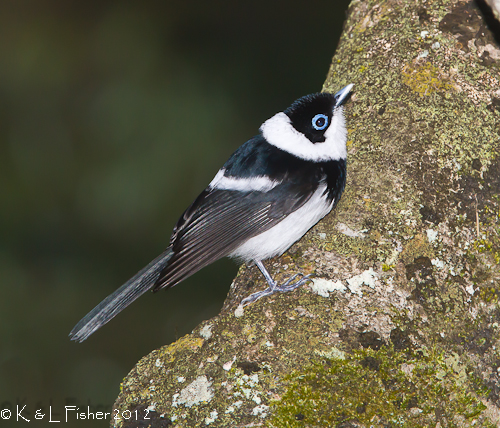

Pied Monarch

Both Fairy and Tree Martin were seen this week and several Australian Pipit are still around.

Further Afield:-

Carol Iles, (who guides in areas away from the Lodge for us) reported at least 40 Diamond Dove along West Mary Road at Maryfarms between Mount Molloy and Mt. Carbine. This is very unusual both in location this far east and in numbers; whilst we have recorded them in this area before, there has only been one or two birds and few sightings. This prompted a trip to the area the following day. There were at least 16 Diamond Dove along the West Mary Road along with 16 Australian Bustard for which this area is a regular sighting spot.


Australian Bustard

A juvenile Brown Falcon was along this road perched in a tree before it swooped onto the ground and returned to the perch clutching a stick. It played with the stick for several minutes before flying off and dropping it, then returned to the tree where it had trouble getting balanced as it flew into the wind. Not sure what it was doing with the stick. 

Brown Falcon - juvenile

Brown Falcon - with stick


Brown Falcon - trying to land into the wind
 
A Black-shouldered Kite was also along the road perched in a tree preening and surveying the surrounding area. 
 

Black-shouldered Kite

Further back towards Mt. Molloy at Luster Creek there were many Bridled Honeyeater and a male Cicadabird which was a surprise as over seven years we have had less than 10 sightings around the Lodge in June/July. Red-tailed Black Cockatoo and Pale-headed Rosella were seen in Julatten just outside our 1.5km lodge area.

Del Richards from Fine Feather Tours had a few interesting sightings on his travels, Chestnut-breasted Cuckoo and White-eared Monarch near the Julatten school, a Red-backed Button-quail on the Lake Mitchell causeway (between Mt. Molloy and Mareeba), Little and Black-faced Woodswallow north of Mt. Carbine and a Fan-tailed Cuckoo at Luster Creek. Brown-backed Honeyeater were near Abattoir Swamp after an absence of nearly two months and a Tawny Grassbird was also in this area. At the swamp were Bridled Honeyeater.

Reptiles and Mammals:-
Highlights for this blog were a Green Ringtail Possum with a half grown baby on its back, great to see they are breeding in the Lodge grounds and Striped Possum have been showing occasionally. 


Green Ringtail Possum - with baby

A Short-beaked Echidna (large spiny animal like an overgrown Hedgehog but an egg laying Mammal) was digging in the camp ground near one of our guests tents one night. This is the first sighting for about 18 months in the Lodge grounds. Platypus was seen in Bushy Creek one morning at 7.50, this is the first sighting since early February. Yellow-footed Antichinus was seen emerging out of a hole in one of the support poles for the cookshed roof and later seen during the day stealing banana from the birds, who were going crazy trying to chase it off. A few frogs came to life with the damp weather, Jungguy Frog, White-lipped Tree Frog, Roth's Tree Frog and Cogger's Frog along with a few Cane Toad. Northern Leaf-tailed Gecko have been appearing with at least four different individuals seen and at least one Boyd's Forest Dragon has been active and appearing around the feeder. The dragon showed up one morning on a chair leg outside the reception area making the most of a shaft of sunlight hitting it. 


Boyd's Forest Dragon

Other Happenings:- We put together a display of photos with the theme "Birdscaping Your Garden" for the Birdlife North Queensland group


Birdlife NQ display

This was part of a display put on at the Trees for Evelyn and Atherton Tablelands (TREAT) nursery at Lake Eacham to celebrate their 30 years of planting trees on the tablelands, quite an achievement. They now plant over 30,000 trees a year. There is a connection to Kingfisher Park B.L. as Joan Wright was a founder member of TREAT and also part of a group called The Koorawatha Society who had ideas to convert the grounds of what is now Kingfisher Park B.L.  In the late 1960's this is what their vision was:


Luckily for us there was not the finance to carry this through and some of the rainforest has been preserved.


Sunday, 8 January 2012

8th January 2012 Report


The first day of the year saw us doing a fun Big Day, there is a separate account at the end of this weeks report.

The weeks rainfall was only 10mm falling on three days of the week, mainly at night. The rest of the week was glorious sunshine providing great birding weather. Maximum temperatures were slightly down on last week, getting up to 30.8ºc and the minimum was down to a pleasant 19.0ºc, again lower than last week. Humidity ranged from a low of 60% to a high of 94%.

There were more birds recorded this week than last due to a greater effort resulting in 112 seen and 5 heard. 21 mammal and reptile species were seen. The weeks bird list is on the Eremaea Birds website and morning walk lists can also be found at this link on Eremaea Birds.

Highlights: Could you call a House Sparrow a highlight? Well two male birds seen at the Barramundi Farm were the first records for our 1.5km list, probably were truck assisted. They are in all the major towns around the Atherton Tableland and also on the coast, hope no female birds make it here! Square-tailed Kite was a good addition to the weeks list when one soared over the tree tops in the camping area at the end of the week.

Other sightings:
Cotton Pygmy-goose were again along McDougall Road with two present mid-week. Pied Imperial Pigeon were around with more seen than in previous weeks with at least four calling whilst perched in the Lodge grounds. A few Topknot Pigeon are still around but most of the local birds seem to have gone to higher rainforest areas in the mountains such as Mt. Lewis. Our Papuan Frogmouth proved difficult to find again this week but it was located on the edge of the orchard one day and another day was further into the rainforest in amongst a clump of leaves. 

 
Papuan Frogmouth

Australian Owlet-nightjar was perched at the entrance to its daytime roost at least once early morning enjoying the sun. A few White-throated Needletail were overhead the Lodge grounds late on our Big Day, probably less than six. A Black-necked Stork was flying west over McDougall Road late on Saturday afternoon.

It was a good week for raptors with eight species seen. Apart from the previously mentioned Square-tailed Kite we had a pair of Black-shouldered Kite along McDougall Road, Pacific Baza circling high over the grounds calling with a Wedge-tailed Eagle below it, Whistling and Black Kite over Geraghty Park. Red-necked Crake showed at the Crake Pool both in the evening and morning most days and a Buff-banded Rail shot across a grassy path into the adjacent cane field (not “Katie” who we did not see this week). Pale-vented Bush-hen were again heard but not seen, calling all over the place! Three Red-tailed Black Cockatoo flew over the Lodge at the end of the week calling, this is the normal time we expect to see a few birds in the January-February period. Last year there were many sightings throughout the year which was unusual. This Sulphur-crested Cockatoo was looking for a nest site in this Queensland Blue Gum.
 

Sulphur-crested Cockatoo

A single Double-eyed Fig-Parrot was seen in our neighbours garden foraging in a Tobacco Bush. (Lesser) Sooty Owl was seen one morning as guests were leaving at 5.00am to go on a Daintree river trip, it flew past calling before going to roost. Buff-breasted Paradise Kingfisher are still calling a lot, mainly from higher up in the mid canopy and are probably in nests by now – still need to check them out. This time last year they were feeding young – they must have know about the deluge that came at the end of January. Blue-winged Kookaburra are spending more time in Geraghty Park, calling early morning and late evening even after dark. Rainbow Bee-eater sightings for the last few weeks have been confined to McDougall Road which seems to have an invisible barrier preventing them from coming over the Lodge! Dollarbird have still been going to their nest and feeding their nestlings. Noisy Pitta have been noisy this week with the pair who lost their nestlings doing most of the calling. One morning one of the pair was up in a tree calling for over an hour, no sign of the other pairs juveniles this week. Several pairs of Red-backed Fairy-wren were along McDougall Road perched on the fence wires. Striated Pardalote were seen in several locations around the edges of the Lodge. Twelve species of honeyeater this week with both Bridled and Scarlet seen along McDougall Road. Brown-backed Honeyeater are building their third nest in the same tree in Geraghty Park, they are very persistent. White-bellied and Barred Cuckoo-shrike have both been around the edge of the Lodge grounds and into Geraghty Park.


White-bellied Cuckoo-shrike

A pair of Spangled Drongo with a nest on the edge of the orchard have managed to produce at least one offspring, quite surprising as when on the nest the adult bird called loudly for long periods. The two adults were seen near the nest with a juvenile bird half their size. Four Torresian Crow went over the grounds heading towards the Barramundi Farm which is the most we have seen together for sometime.
The Black-faced Monarch we tried to turn into a Black-winged Monarch last week was back around again and obligingly came down low for a few more images. From the second image you could be forgiven for thinking it was a Black-winged Monarch, Jeff Davies commented "that  none of the greater coverts are black, normally a third to half are black". Jeff also said "I am concerned that the primaries and secondaries are a dark grey with narrow silver fringe this is also not what I would expect for a Black-winged Monarch which typically has solid black here normally and never a silver edge". If this is worn plumage we would have expected birds further south to have been reported with black wings, maybe they have? Thanks for your comments Jeff.


 Black-faced Monarch


 Black-faced Monarch


Magpie Lark were sitting on a nest in Geraghty Park and a Pied Monarch was seen in the Lodge grounds for the first time in several weeks. Yellow-breasted Boatbill started to call at the end of the week also for the first time in several weeks. Lemon-bellied Flycatcher were seen for a day before disappearing again. At last a pair of Olive-backed Sunbird have started to build a nest in the Lodge grounds, the first we know of in six years. They are always around but no nests found. At least six Australian Pipit have been around the area including several juveniles.

Further Afield:-
Most of the reports can be found in the Big Day below. Additions include 20-30 Blue-faced Parrot-Finch at the “clearing” on Mt. Lewis, this is the highest number reported this season. A Boobook Owl of the Lurida sub-species was flushed from on the ground at the edge of the road about 3-4km up from the Bushy Creek crossing by one of our guests in the morning. The bird flew into a tree and perched for good views, lucky guests as this is the first sighting for a long time (over a year?). Other guests spotlighted on Mt. Lewis and found a (Lesser) Sooty Owl feeding a juvenile bird.

Reptiles and Mammals:-
Both Green Ringtail and Striped Possum were seen in the grounds along with a Tree Mouse (Prehensile-tailed Rat). Fawn-footed Melomys and Northern Broad-nosed Bat were in our neighbours property. Bush Rat and Northern Brown Bandicoot along with Giant White-tailed Rat were around the feeder by reception most nights. Boyd's Forest Dragon are continuing to inhabit the area in front of the units.


Boyd's Forest Dragon

Platypus was seen several times in Bushy Creek, late in the week two were seen. Eastern Water Dragon were ever present in Bushy Creek. Frogs were conspicuously absent with only three species plus Cane Toad seen. Both Green and Brown Tree Snake were seen, the green in the orchard and the Brown in our neighbours garden.

Other Interesting Sightings:
Yes more fungi!

Fungi sp.


Fungi sp.


Fungi sp.


Kingfisher Park Birdwatchers Lodge 
Big Day 1st January 2012


 Once again it was the first day of another year and to start off our year list we were doing a Big Day for fun. No mad charging around the countryside, just a laid back day of birdwatching, eating and relaxing. A 6.30am start saw Keith, Lindsay and our two neighbours Carol and Andrew (who used to be the guides at the Lodge 10 years ago but are now independent bird guides) searching the Lodge grounds. Our first surprise was a White-headed Pigeon flying over the adjacent cane field towards the hills, Pale-vented Bush-hen were also calling here but not showing. Other good birds included Buff-banded Rail, Buff-breasted Paradise-Kingfisher and Black-faced Monarch. Lindsay had to leave us as guests had to be attended to. So the three of us headed out to Geraghty Park where we found Pied Imperial Pigeon, Black Kite (a rarity of late) Barred Cuckoo-shrike, Striated Pardalote and Rufous Whistler. The weather looked threatening so we decided to go up Mt. Lewis before it closed in. As we passed the Barramundi Farm a cry went out to stop as Carol though she was hearing things – a House Sparrow! Sure enough a House Sparrow was perched on top of a shed alongside the road, must have been truck assisted to get here! A first for the area for a species which is on the coast but not normally up our part of the tablelands. After this shock it was onto the lower slopes of Mt. Lewis, which produced Superb Fruit-Dove, Double-eyed Fig-Parrot and a heard Black Butcherbird. The 10km area of the Mt. Lewis Road was very productive as usual with Blue-faced Parrot-Finch the first bird we saw when getting out of the car. Some other species encountered included Brown Cuckoo-Dove, Emerald Dove, Topknot Pigeon, Tooth-billed Bowerbird, Fernwren building a nest, Yellow-throated and Atherton Scrubwren, Mountain Thornbill, Eastern Spinebill, Bridled Honeyeater, Chowchilla, Eastern Whipbird, Golden Whistler, Bower's Shrike-thrush, Grey-headed Robin and both Rufous and Grey Fantail. It was time to come down off the mountain as a few spots of rain started to come down. We had a half hour before the allotted lunch break so we headed back past the Lodge to McDougall Road, as always it put on a good show for us with plenty of waterbirds including Magpie Goose, Hardhead and Black-fronted Dotterel. Further down the road in the wooded area there were good views of Scarlet Honeyeater, Grey Whistler and Leaden Flycatcher before the rain started to pour down on cue for the lunch break.


 Leaden Flycatcher - male


After an hours break we set off again stopping at Abattoir Swamp hoping to see the reliable Northern Fantail in the car park but they were not showing only calling, however we did add Lemon-bellied Flycatcher. Next stop was a small lagoon near Mareeba, here there were many waterbirds allowing us to add Plumed Whistling-Duck, Grey Teal, Australasian Grebe, Eastern Great and Little Egret plus all three Ibis – Australian White, Straw-necked and Glossy. Overhead we had good views of Blue-winged Kookaburra. Time to turn around and head back towards Mt. Molloy with a few stops along the way. Several Purple Swamphen were in a small lagoon alongside the road and a White-faced Heron was beside the road just before we turned into Pickford Road at Biboorah. Quite a productive road with Pacific Baza feeding a juvenile, Brown Goshawk, Nankeen Kestrel, Red-winged Parrot, Pale-headed Rosella and Yellow Honeyeater. More waterbirds to add to the tally were found on Lake Mitchell, Black Swan, three Black-necked Stork, one Brolga and Comb-crested Jacana. Overhead were Eastern Osprey, Whistling Kite and Gull-billed Tern. Mt. Molloy was good to us as usual with Squatter Pigeon, Bush Stone-curlew, Eastern Koel, Great Bowerbird, Grey-crowned Babbler and Double-barred Finch. This babbler was trying to wheedle out some insects behind the bark.


Grey-crowned Babbler

We decided to return to the Lodge via the back road through Wetherby Station and found Lovely Fairy-wren at the “Green Gate”, a couple more Squatter Pigeon walking along the edge of the road and a Wompoo Fruit-Dove at the Rifle Creek crossing.


Squatter Pigeon
 
Another look down McDougall Road found a Black-shouldered Kite which was a much better view than one we had seen soaring way off in the distance in the morning, there were also several Australian Pipit perched on fence posts. Back at the Lodge Lindsay joined us to add White-throated Needletail soaring overhead with Australian Swiftlet and finally as it was getting dark a Red-neck Crake appeared for a bathe. After dark we found an Eastern Barn Owl in Geraghty Park and it was then time to call it a day.


We ended up with 132 seen plus 14 heard making a total of 146 species. Interestingly 85 of these were seen/heard within 1.5km of the Lodge grounds. Best bird – so many, Most surprising sighting – House Sparrow, Biggest dips – Noisy Pitta who decided to have a day off after being seen everyday for the last few months, Papuan Frogmouth and Channel-billed Cuckoo who have been showing more often than not, Crested Pigeon and Pied Butcherbird had a day off in the dry country. However despite these dips it was a very good start to the year.

Species List
Australian Brush-turkey Black-fronted Dotterel Macleay's Honeyeater
Orange-footed Scrubfowl Masked Lapwing Grey-crowned Babbler
Brown Quail Comb-crested Jacana Chowchilla
Magpie Goose Gull-billed Tern Eastern Whipbird
Plumed Whistling-Duck Sulphur-crested Cockatoo Black-faced Cuckoo-shrike
Wandering Whistling-Duck Rainbow Lorikeet White-bellied Cuckoo-shrike
Black Swan Scaly-breasted Lorikeet Barred Cuckoo-shrike
Green Pygmy-goose Double-eyed Fig-Parrot Cicadabird*
Grey Teal Red-winged Parrot Varied Triller
Pacific Black Duck Pale-headed Rosella Golden Whistler
Hardhead Pheasant Coucal Grey Whistler
Australasian Grebe Eastern Koel Rufous Whistler
White-headed Pigeon Little Bronze-Cuckoo* Little Shrike-thrush
Brown Cuckoo-Dove Brush Cuckoo* Bower's Shrike-thrush
Emerald Dove Eastern Barn Owl Australasian Figbird
Squatter Pigeon Buff-br. Paradise-Kingfisher Olive-backed Oriole
Peaceful Dove Laughing Kookaburra White-breasted Woodswallow
Bar-shouldered Dove Blue-winged Kookaburra Black Butcherbird*
Wompoo Fruit-Dove Forest Kingfisher Australian Magpie
Superb Fruit-Dove Rainbow Bee-eater Spangled Drongo
Pied Imperial-Pigeon Dollarbird Rufous Fantail
Topknot Pigeon Noisy Pitta* Grey Fantail
Australian Swiftlet White-throated Treecreeper* Northern Fantail*
White-throated Needletail Spotted Catbird* Willie Wagtail
Darter Tooth-billed Bowerbird Leaden Flycatcher
Little Pied Cormorant Great Bowerbird Black-faced Monarch
Little Black Cormorant Red-backed Fairy-wren Spectacled Monarch
Black-necked Stork Lovely Fairy-wren Magpie-lark
Great Egret Fernwren Pied Monarch*
Intermediate Egret Yellow-throated Scrubwren Yellow-breasted Boatbill*
White-faced Heron Atherton Scrubwren Victoria's Riflebird*
Little Egret Large-billed Scrubwren Lemon-bellied Flycatcher
Glossy Ibis Brown Gerygone* Pale-yellow Robin
Australian White Ibis Large-billed Gerygone* Grey-headed Robin
Straw-necked Ibis Mountain Thornbill Golden-headed Cisticola
Royal Spoonbill Striated Pardalote Silvereye
Eastern Osprey Eastern Spinebill Welcome Swallow
Black-shouldered Kite Lewin's Honeyeater Fairy Martin
Pacific Baza Yellow-spotted Honeyeater Metallic Starling
Whistling Kite Graceful Honeyeater Common Myna
Black Kite Bridled Honeyeater Mistletoebird
Brown Goshawk Yellow-faced Honeyeater Olive-backed Sunbird
Nankeen Kestrel Yellow Honeyeater Double-barred Finch
Brolga Brown-backed Honeyeater Red-browed Finch
Purple Swamphen Dusky Honeyeater Blue-faced Parrot-Finch
Red-necked Crake Scarlet Honeyeater Chestnut-breasted Mannikin
Buff-banded Rail Brown Honeyeater House Sparrow
Pale-vented Bush-hen* White-throated Honeyeater Australasian Pipit
Bush Stone-curlew Blue-faced Honeyeater

* = Heard

132 Seen + 14 Heard


Sunday, 22 May 2011

22nd May 2011 Report

Once again the great weather continues with mainly sunny days and a little rain overnight amounting to 12mm. Temperatures ranged from 13.1ºC to 23.0ºC, slightly warmer minimum and cooler maximum than last week. Bird species recorded were 100 seen and 2 heard, reptiles and mammals were 18 seen and 1 heard.

The weeks bird list is on the Eremaea Birds site.

The best sighting for the week in the area was a Red Goshawk seen flying over Abattoir Swamp on the road to Mt. Molloy. There has been a few previous sightings in this area over the years.

Topknot Pigeon numbers have been increasing with 20+ perched in a tree alongside Bushy Creek. 


Topknot Pigeon
 Papuan Frogmouth have split up again with the male on the edge of the orchard and the female outside the reception area for most of the week. An Australian Darter was in one of the swamps along McDougall Road which was the first for several months and a Little Black Cormorant was fishing in Bushy Creek near the Platypus viewing area. A single Straw-necked Ibis has also been along McDougall Road but no others reported in the immediate area. Nine raptor species this week Black-shouldered Kite, Pacific Baza, White-bellied Sea-Eagle, Whistling and Black Kite, Brown Goshawk, Collared Sparrowhawk, Nankeen Kestrel and Brown Falcon. Red-necked Crake was seen twice in ponding on the edge of the orchard in the late afternoon. A pair of Double-eyed Fig-Parrot was along Bushy Creek in a large fig tree with a flock of Australasian Figbird and up to 20 Barred Cuckoo-shrike. The juvenile Eastern Koel was back in the same palm tree as last week polishing off the last remaining seeds and four juvenile Channel-billed Cuckoo were sunning themselves in a tree beside Bushy Creek. This was one of them.


Chanel-billed Cuckoo - juvenile


A single Eastern Barn Owl was seen exiting a nest tree and flying off and Azure Kingfisher have been foraging in the Crake Pool. They don't always perch in the right position to take an image as this one below shows.


Azure Kingfisher

Great Bowerbird, Red-backed and Lovely Fairy-Wren were along McDougall Road. Eleven Honeyeater species including Bridled, Dusky and Brown were around during the week. A male Cicadabird was foraging in a Poinciana Tree at the front entrance to the Lodge one morning. Both Yellow and Olive-backed Oriole were seen this week as well as a Black Butcherbird who was all around the Lodge grounds and our neighbours garden. Rufous, Grey and Northern Fantail were around with only one grey so far, reports suggest that the Grey Fantail are moving north and not far from arriving at the Lodge. Yellow-breasted Boatbill, Pied Monarch and Victoria's Riflebird continue to call and be seen around the Lodge grounds. Grey-headed Robin, which is a Wet Tropic endemic, continue to increase in numbers as more come down from the mountains behind the Lodge.


Grey-headed Robin

The juvenile Bassian Thrush has been seen all over the Lodge grounds and appears to be the only one here at the moment. Australian Pipit is regularly being seen along McDougall Road and nowhere else in the area.

Frogs have started to appear with the small amount of rainfall, eight species this week including Striped Marsh Frog, Jungguy Frog, 


Jungguy Frog

plenty of White-lipped Tree Frog hanging around the amenity block, Peter's Frog and Cogger's Frog. Striped Possum was seen twice on the edge of the orchard and a Tree Mouse showed well as it was foraging on flowers in a coconut palm. Long-nosed Bandicoot have been coming out of hiding and being seen foraging on grassy areas around the camping areas whilst the Northern Brown Bandicoot hang around the feeder.

Further afield Del Richards from Fine Feather Tours reported nine Glossy Ibis flying along the coast heading south at Newell Beach coming from ? To ?. Del also saw three Sarus Crane in a paddock and a Diamond Dove perched on a powerline at Maryfarms, both records are unusual. 20+ Little Corella were reported by Jack Leighton at Tinaroo Dam on the Atherton Tableland (Jack produced the DVD Rainforest Birds of Australia's "Wet Tropics. 100 Birds with 100 calls available in our shop).

The blog is a bit late this week due to us being away in Cooktown for two days. We'll post a bit about that trip next week.


Sunday, 15 May 2011

15th May 2011 Report


The great weather still continues with the coldest week so far this year and still sunny dry days and more great birds for the week. Temperatures ranged from 12.9ºC to 24.4ºC. Only a trace of rain this week, not enough to record in the rain gauge.

Bird species recorded were 94 seen and 5 heard, reptiles and mammals were 19 seen.

The weeks bird list is on the Eremaea Birds

The best sighting for the week was Pallid Cuckoo. The Pallid Cuckoo was seen by guests, Tom and Claire, in woodland at the rear of Geraghty Park and only the third sighting since 2005,. Previous sightings were 25/11/2007 and 20/1/2008. 
 

Pallid Cuckoo - juvenile.

Australasian Grebe have returned to the swamps along McDougall Road after being absent for 27 weeks, they were last seen mid October 2010. About 30+ Topknot Pigeon were seen along McDougall Road on the 8th May plus four were also seen on a morning walk on the 11th flying over the Lodge grounds. This is the earliest record of returning birds in five years, previously we have two records later in May, two in June and one in July. The two Papuan Frogmouth have been roosting in the orchard most days of the week but have had a couple of days hiding somewhere else. An Australian Owlet-nightjar was seen perched on the edge of its regular roost hole which was the first time for several months when a Lace Monitor was seen peering into the hole. Pacific Baza are calling most days and flying around the orchard 
 

Pacific Baza

and Black Kite numbers have increased with at least four around the area. Red-necked Crake was seen one morning at about 7.20 bathing in ponding on the edge of the orchard with a Bassian Thrush and again at the same ponding in the late afternoon. Given the ongoing discussions regarding the status of Bassian and Russet-tailed Thrush in our area of the "Wet Tropics" we've included two images of the juvenile bird currently in the Lodge grounds. There is some lighter coloured fringing on the secondary coverts and scapular feathers of the wing and lighter colouring on the forehead and crown than adult birds have. The upperparts have paler centres to the feathering giving a more mottled look than adults. When this bird flew it had no white in the outer tail feathers.

Bassian Thrush - juvenile

 
Bassian Thrush - juvenile

Channel-billed Cuckoo are still with us with at least seven seen on a morning walk at the entrance to the Lodge grounds perched in a Queensland Blue Gum. It is getting late in the season for them to still be here, previous years 2006-2009 have seen them stay until at least 24th May but in 2009 the last sighting was 25th April. Little Bronze-Cuckoo have been active and showing well, all seen were sub-species russatus Gould's Bronze-Cuckoo. (Lesser) Sooty Owl has again been heard but not seen. One Eastern Barn Owl appeared at the entrance to their nest hollow and a second bird was sighted sitting above the roost hollow before flying to the nest tree and entering. The first bird was still perched at the nest hollow when the second bird entered, so they might be breeding after giving us a few false starts.

Azure Kingfisher has been seen several times flying along and perched beside Bushy Creek and Forest Kingfisher have been putting on great displays to each other. Noisy Pitta has been heard twice in the evening but not seen. Spotted Catbird has been coming to the feeder infrequently and not every day. A Great Bowerbird was taking some red fruit off of a small bush in Geraghty Park near the tennis courts early one morning. 11 honeyeater species this week including Bridled and Dusky, this one was foraging in a grevillea in the morning sun.

A Brown Honeyeater in our neighbours garden was a bit of a surprise as they don't normally come this close to the rainforest, more common along McDougall Road or Abattoir Swamp in the drier country. A few Barred Cuckoo-shrike are still around and Cicadabird are still calling. Australian Figbird numbers fluctuate daily with some days none and others flocks of 20+. A single Spangled Drongo has been visiting the feeder early in the morning and noisily announcing its arrival before taking in some nectar. The Northern Fantail reported last week moved into Geraghty Park and was trying to forage around a flowering wattle but was constantly being chased by four Willie Wagtail who did not like the intruder in “their” territory. The fantail did get a respite every now and then as this image shows. 


Northern Fantail

Only one sighting of Grey Fantail but Rufous Fantail are quite common, this one was trying to keep warm in the early morning as it went about foraging on the edge of the rainforest.


Rufous Fantail

Yellow-breasted Boatbill are calling in earnest at the moment, mainly during the morning and Victoria's Riflebird also continue to call but not seen often.

An Amethystine Python was draped around a tree on the edge of the orchard early one morning trying to get some sun and was the only snake sighting this week. Striped Possum have quietened down this week with only a little calling at the beginning of the week. One was heard in the rainforest adjacent to the orchard scratching into the bark of a tree late one evening before being seen. A Tree Mouse (Prehensile-tailed Rat) was found foraging in the inflorescence of a Coconut Palm at the end of the week, quite a rare sighting. A medium sized White-tailed Rat has been a regular visitor to the feeder over the last few weeks but is very shy.

Further afield several Chestnut-breasted Cuckoo were heard and seen on the lower slopes of Mt. Lewis. An unidentified crane was at Maryfarms and both Sarus Crane and Brolga are being reported on the Atherton Tableland. A few Australian White Ibis and Straw-necked Ibis have been seen in the area which might signal the return of the waterbirds. A Black-necked Stork was at Lake Mitchell and two guests also reported seeing two at the Cattana Wetlands in Cairns.

Butterflies are out in force at the moment including this very common Orange Bushbrown

Orange Bushbrown

We have just updated the butterfly and moth page on our website adding more sightings and a couple of images, check it out. 

This mystery bug was seen whilst chasing dragonflies and butterflies.


Bug sp. (?)